
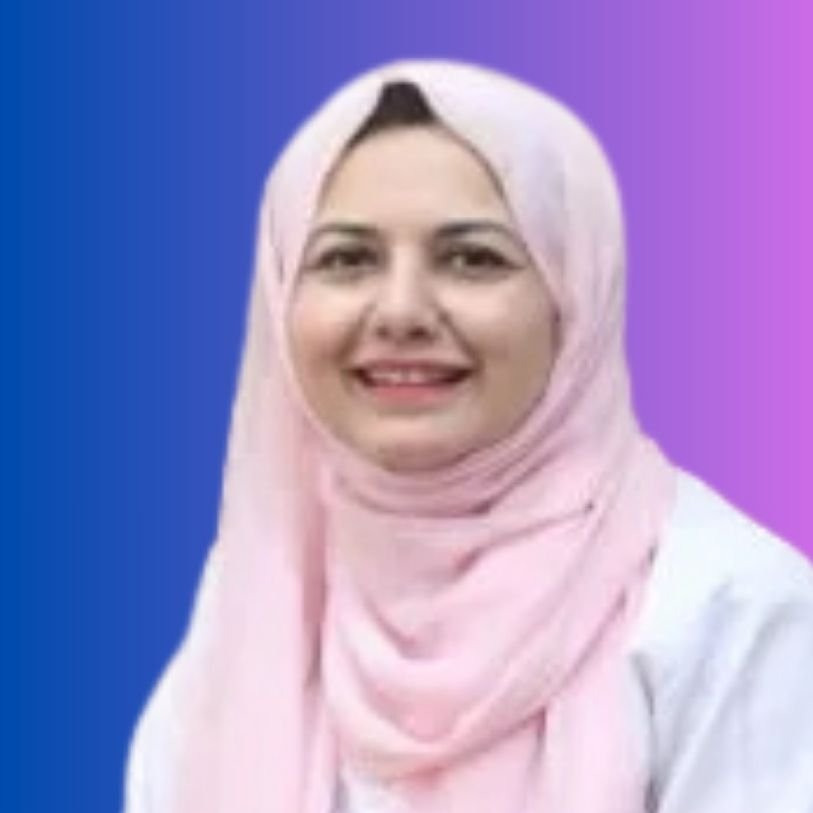
Prof Shazia Majid
Specialty: Obstetrics & Gynaecology
Practice/Hospital: Sheikh Zayed Medical College/Hospital, Rahim Yar Khan
Location: Rahim Yar Khan
I am Professor Dr. Shazia Majid Khan, Professor and Head of the Department of Obstetrics and Gynaecology at Sheikh Zayed Medical College & Hospital, Rahim Yar Khan. I hold FCPS and MCPS qualifications and have 21 years of experience as a Consultant Gynaecologist.
My clinical career has given me extensive experience in the diagnosis and management of complex gynaecological conditions, with a particular interest in endometriosis, adenomyosis and their impact on female fertility.
I have a special clinical interest in infertility associated with endometriosis and adenomyosis, and extensive experience in laparoscopic surgery for endometriosis. My professional journey has reinforced my belief that these conditions require early recognition, accurate diagnosis and
individualized, patient-centred management.
I have also been actively involved in academic and research work, with 21 national and international publications, reflecting my commitment to advancing knowledge and improving clinical practice in women’s health.
Work & Mission
My clinical work focuses particularly on the management of infertility related to endometriosis
and adenomyosis, along with the laparoscopic surgical management of endometriosis.
Through the Endometriosis & Adenomyosis Society Pakistan, I hope to contribute to greater
awareness and understanding of these often under-recognized conditions among both
healthcare professionals and the wider community.
I am particularly passionate about improving early diagnosis, fertility preservation and
individualized treatment for women affected by endometriosis and adenomyosis. I believe that
women living with these conditions deserve not only evidence-based medical and surgical care,
but also empathy, understanding and continuity of care.
My aim is to share clinical and academic experience, promote evidence-based management,
encourage collaborative research and education, and contribute to improving the quality of
care and fertility outcomes for women suffering from endometriosis and adenomyosis.