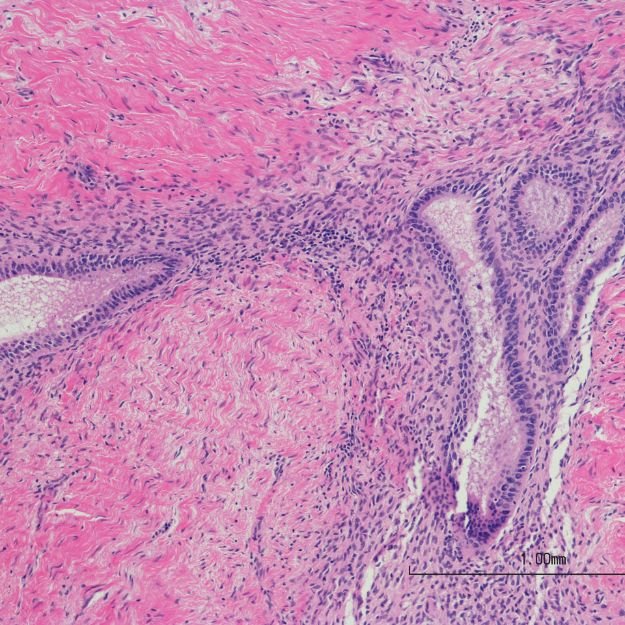
This guideline, issued by the Endometriosis and Adenomyosis Society (EAS) for Pakistan, emphasizes a patient‑centered, pragmatic approach tailored to low‑resource settings. It stresses that careful history‑taking is the cornerstone of diagnosis, with symptoms like cyclical and non‑cyclical pain, gastrointestinal/genitourinary complaints, and subfertility raising clinical suspicion. Imaging (transvaginal ultrasound as first‑line, MRI for deep infiltrating disease) supports the diagnosis, but laparoscopy is no longer mandatory as an initial or “gold standard” step; empirical medical treatment (e.g., a 3‑month hormonal trial) is a valid first option, especially when resources are limited. The document also highlights the importance of early diagnosis to reduce disease progression and improve outcomes, while acknowledging that disease severity does not correlate well with symptom intensity.